PRODUCT
TBTL Ion Heating System
Total Boiler Technology for Low-cost — comprehensive boiler technology with high efficiency and low cost.
TBTL Monitoring System
One TBTL unit,
simple and straightforward
Equipped with a Smart Controller that optimizes heating and hot water usage in real time. It delivers efficient heating and hot water from as little as 0.001 kW, cutting total energy consumption through automated control.
By analysing outdoor temperature and calculating deviation it checks power consumption in real time and detects heating and hot water conditions to optimise efficiency.

Monitoring
Efficiency maximised by optimised heating and control

Real-time power measurement
Power consumption is measured accurately in real time, so consumption patterns are clear and can be managed efficiently.

Cost forecasting
Daily and monthly electricity costs are forecast from usage data, supporting effective budget planning.

Usage data logging
Consumption is logged systematically, enabling long-term pattern analysis and an optimised energy strategy.

Operating status
System status is monitored in real time so any issue can be addressed quickly.
ESG Report
Carbon reduction
independently verified
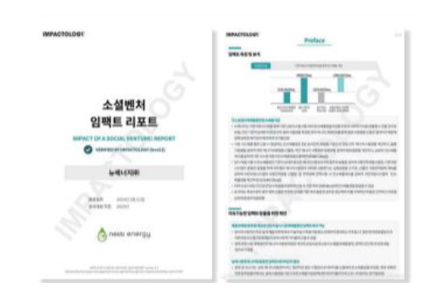
The 102 units sold in 2023 cut 2,304.6 tonnes of CO₂eq compared with gas boilers. Given that one tree absorbs about 22 kg of CO₂ a year, offsetting 2,304 tonnes would require roughly 104,000 trees.
* IMPACT SQUARE ESG report · measured to global standards
Carbon
Where TBTL cuts carbon
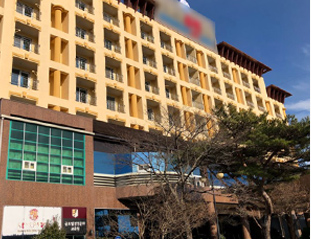
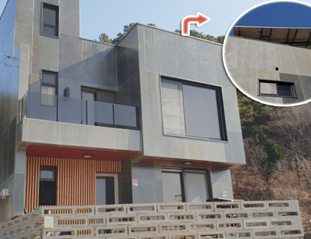
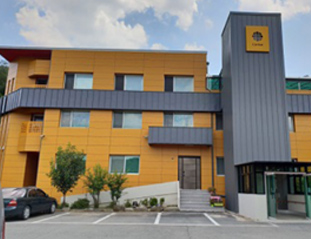
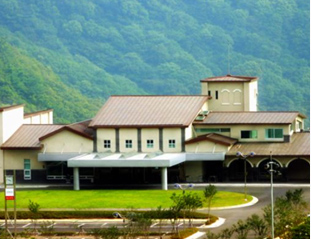
Carbon emissions are 43% lower than an average gas boiler. Reductions have been measured across the facility types below.
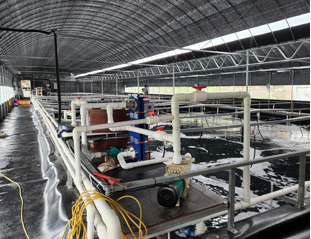
Installation
Simple to install, lower upfront cost
- Existing water piping is reused for heating
- Piping already connected to the air handling unit is reused
- Compact size allows connection right beside the air handler
- Hot water applications connect to the storage tank
- Installed close to the point of use, reducing pipe heat loss
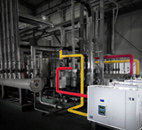
Existing water piping reused for heating
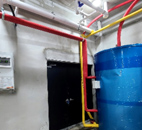
Existing AHU piping reused as is
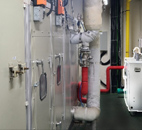
Connect to the storage tank for hot water
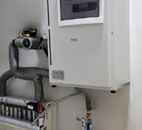
A simple boiler solution with no complex work
No outdoor unit
No refrigerant
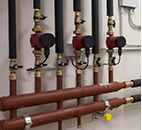
No gas piping
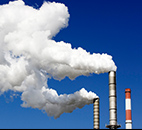
No flue
Real Saving
Actual savings on site
Measured at real installations as of 2026. Figures vary with site conditions and electricity tariffs.
KRW 200,000 → KRW 20,000 / month
Whole-building heating over 30 pyeong. Electric panel at KRW 200,000 a month replaced, now KRW 20,000.
Product + installation ≈ KRW 2 million (no extra cost)
KRW 30M → KRW 5M / month
150 t hot water and over 500 pyeong of heating. Heat pump cost KRW 30M a month, now KRW 5M.
Product + installation ≈ KRW 40 million (no extra cost)
Over 40% saved
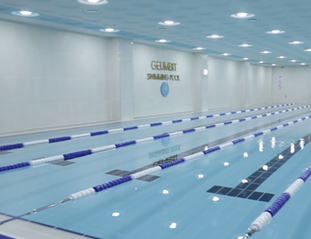
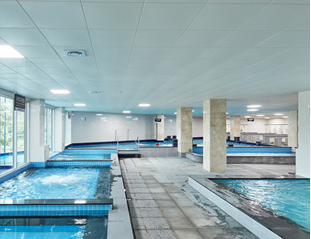
500 t of hot water. Installed instead of a heat pump, saving over 40% across installation, product and electricity cost, while offering guests a heated pool.
Gas KRW 400,000 → self-sufficient on 6 kW PV
Home of an environmental engineering professor at a national university. Gas boiler at KRW 400,000 replaced; 50 pyeong now heated by 6 kW of solar. Solar + ESS + ion heating realises a zero-energy home.
* Figures are based on specific site conditions and may differ in practice. Savings also change with electricity tariffs.
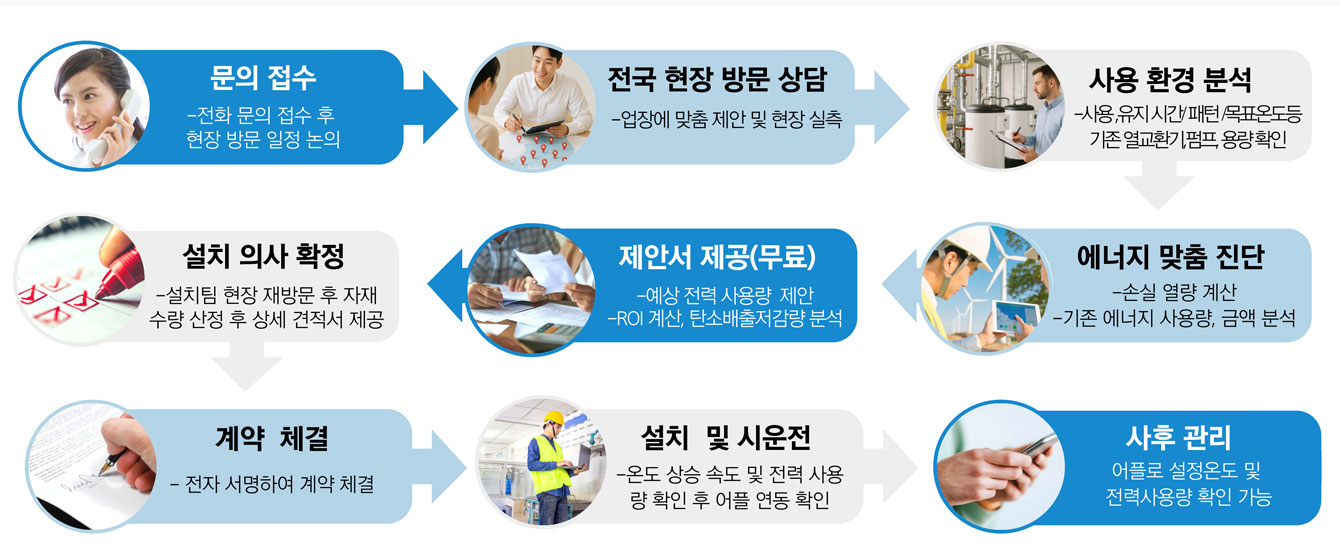
Consulting
Real efficiency, matched to your site
We analyse your premises, usage pattern and existing plant together, then propose the most reasonable energy solution.
Application
Where it is used
Applicable to any sector and any capacity. Parallel installation removes capacity limits, and floor-by-floor or indoor installation is supported.

Building heating
Hotels · dormitories · offices · hospitals · universities
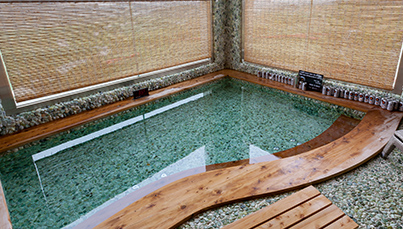
Hot water supply
Saunas · bathhouses · building hot water · hot springs · water parks
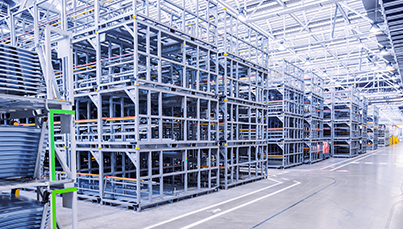
Industrial plants
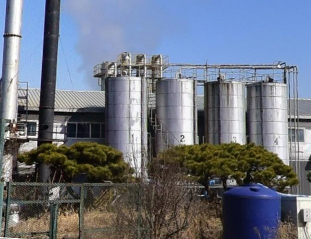
Product drying · food production · metal surface treatment · washing

Residential heating
Commercial-residential buildings · solar homes · housing complexes

Swimming pools
Sports centres · kids pools · water parks · hotel pools
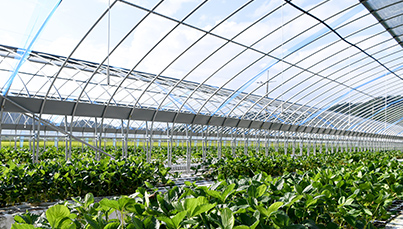
Agriculture & fisheries
Greenhouses · nurseries · indoor farms · mushroom farms · barns · fish farms
Specification
Product specification
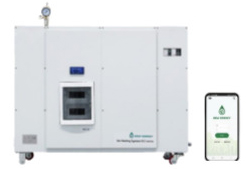
Two models are supplied as of 2026. Larger capacities are configured by parallel installation.
| Model | Unit | NEP-18 | NEP-60 |
|---|---|---|---|
| Product | — |  |
 |
| Rated power consumption | kW | 18 | 60 |
| Standard heating area | pyeong | 70 | 240 |
| Max instantaneous heat output | kcal | 15,768 | 46,980 |
| Cumulative power use | kWh | 12.6 (ΔT20℃) | 33 (ΔT25℃) |
| Max current | A | 30 | 90 |
| Cable (3-phase 4-wire 380 V) | mm² | 10 | 35 |
| Dimensions | mm | 490 × 310 × 690 | 1,200 × 410 × 87 |
| Weight | kg | 40 | 90 |
| Noise / IP rating | dB | 15 dB / IPX3 | |
* Specifications may change without notice due to site conditions and product improvement.
FAQ
Frequently asked questions
Should I choose NEP-18 or NEP-60?
It depends on heated area. NEP-18 is rated 18 kW for a standard heating area of 70 pyeong (about 231 m²); NEP-60 is 60 kW for 240 pyeong (about 793 m²). Larger loads are covered by installing units in parallel, with no capacity limit, including floor-by-floor and indoor installation.
How much does installation cost?
Product plus installation is around KRW 2 million for a small site and about KRW 40 million for a hotel-scale site with 150 t hot water and over 500 pyeong. No outdoor unit, refrigerant, gas piping or flue is required, so ancillary construction cost is minimal.
Do existing pipes have to be removed?
No. Existing water piping and air handling unit piping are reused. Hot water applications simply connect to the storage tank. The compact size allows installation right beside the air handler, which also reduces pipe heat loss.
Can carbon reduction be certified?
Yes. The 102 units sold in 2023 cut 2,304.6 tonnes of CO₂eq against gas boilers. An IMPACT SQUARE ESG report measured a 43% reduction versus an average gas boiler, and TBTL monitoring data quantifies reductions for ESG reporting and emissions trading.
Can the specification change?
Yes. Published specifications may change without notice due to site conditions and product improvement. Exact specifications are confirmed at the quotation stage.