IONIC HEATING SYSTEM · TBTL
Halving carbon by
reinventing how heat is made
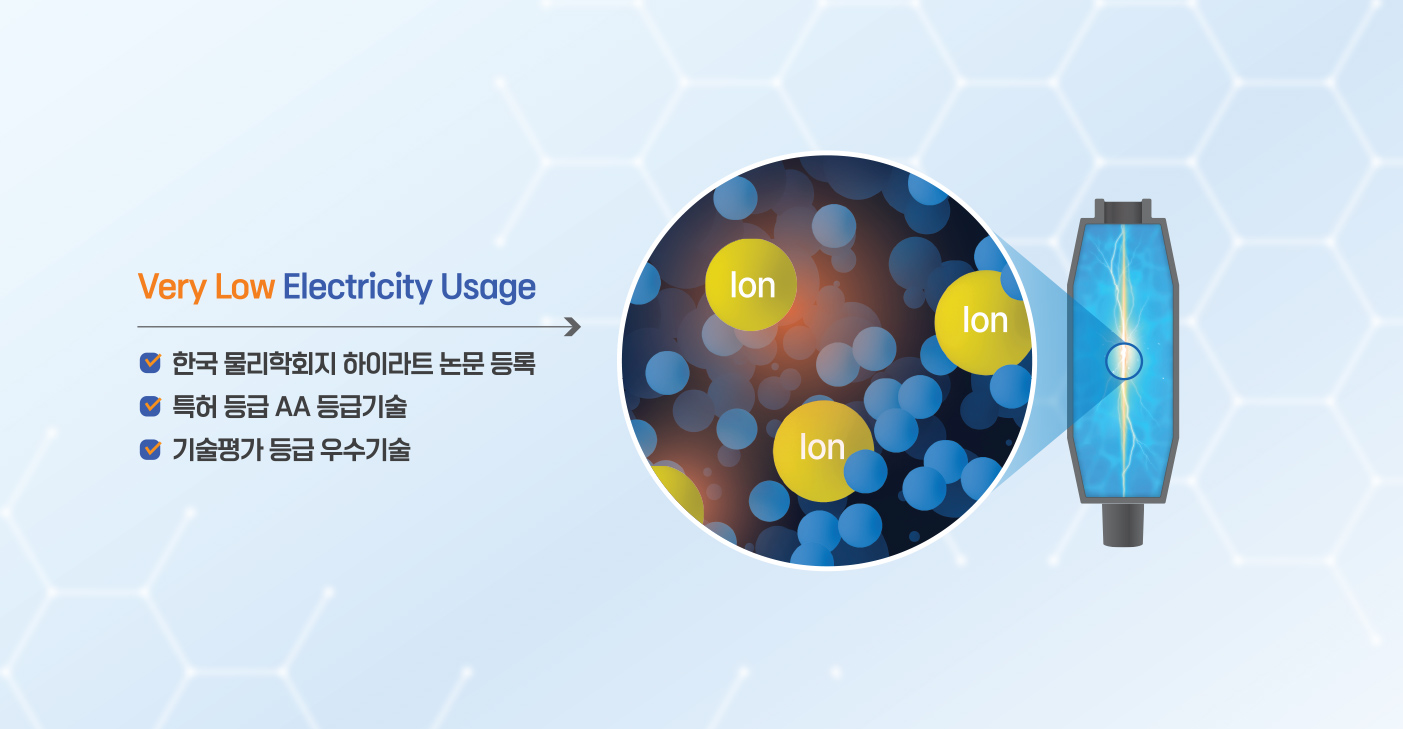
NEW ENERGY developed an ion heating system in which water produces heat directly by molecular friction. 99.9% energy conversion efficiency and 30–70% lower heating and hot water costs, proven at around 100 sites as of 2026.
SCROLL
Redefining
Energy Transition
Our Solution
No combustion, no refrigerant —
we changed how heat
is made
A conventional boiler makes heat and transfers it to water. Ion heating makes the water produce heat itself through molecular friction. At the same temperature the heat density is higher, so it warms faster using less energy.
What We Do
From technology to certification,
all done in-house
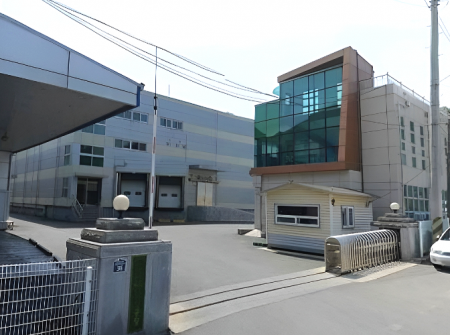
Designed and built at our own plant in Sasang-gu, Busan,
with one team covering survey through to monitoring.
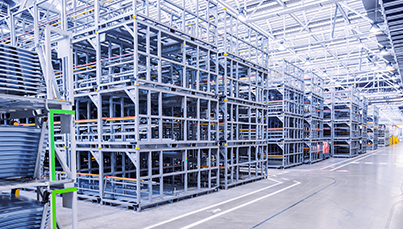
Molecular friction · 99.9% efficiency · AI precision power control
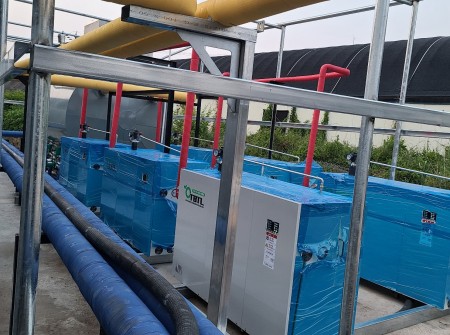
NEP-18 / NEP-60 · real-time monitoring · unlimited parallel capacity
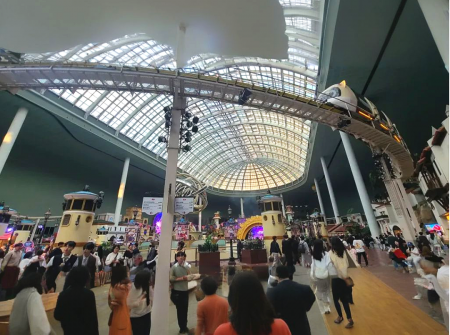
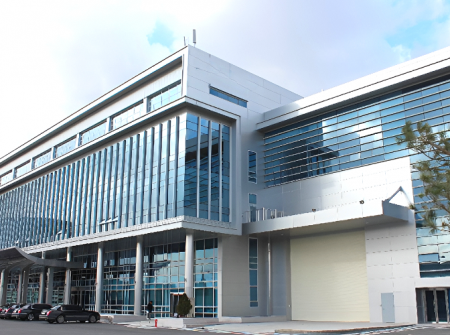
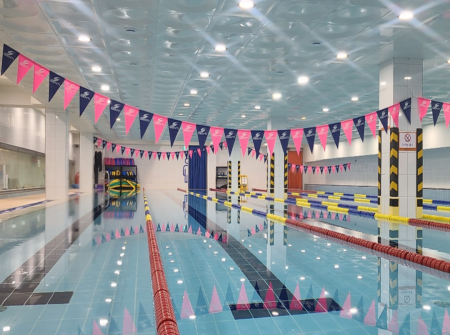
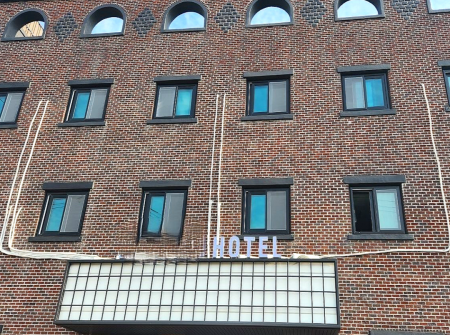
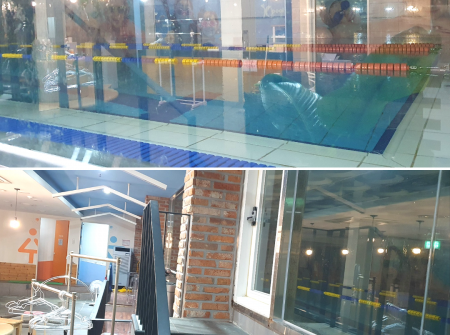
Hotels, pools, plants, fish farms and hospitals — around 100 sites
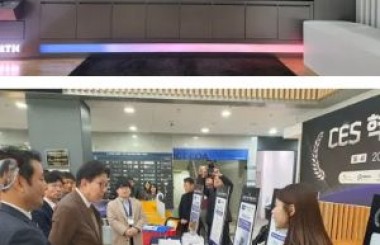
CES 2025 Innovation Award · patents in 8 countries · KCL/KTL reports
By the Numbers
Savings proven by data
All figures come from KCL and KTL test reports, the IMPACT SQUARE ESG report and measurements at real installations.
- 0%Energy conversion efficiencyvs. gas 80% · electric 90% · heat pump 65%
- 0%Less than a heat pumpReproduced winter conditions consumption test
- 0%Lower carbon emissionsvs. average gas boiler · global standard measurement
- 0+Sites deliveredHotels · pools · plants · public facilities · agriculture
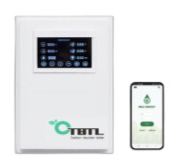
Small & commercial NEP-18
18 kW rated, standard heating area 70 pyeong.
The most common choice for small sites and commercial buildings.
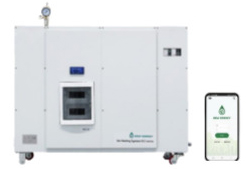
Large sites NEP-60
60 kW rated, standard heating area 240 pyeong.
Parallel installation scales without a capacity limit.
Cost
Before and after —
what actually changed
Monthly energy costs measured at real installations as of 2026. Figures vary with site conditions and electricity tariffs.
| Site | Previous | Before | After | Saving | Product + install |
|---|---|---|---|---|---|
| Busan public institution (30 py) | Electric panel | KRW 200,000 | KRW 20,000 | 90% | approx. KRW 2M |
| Dongbusan Hot Spring Hotel | Heat pump | KRW 30M | KRW 5M | 83% | approx. KRW 40M |
| Daejin Nursing Hospital (500 py) | Oil boiler | KRW 26M saved over 5 winter months | 71% | On quotation | |
| Gochang eel farm | Bunker C oil | Against fuel cost | 70% | On quotation | |
| Solar home (55 py) | Gas boiler | KRW 400,000 | Self-sufficient on 6 kW PV | Effectively zero | On quotation |
* Figures are based on specific site conditions and may differ in practice. Savings also change with electricity tariffs.
Reference
Results proven on site
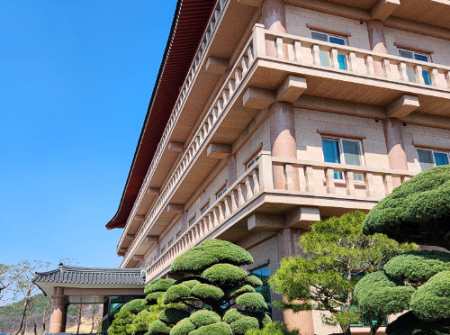
Nationwide
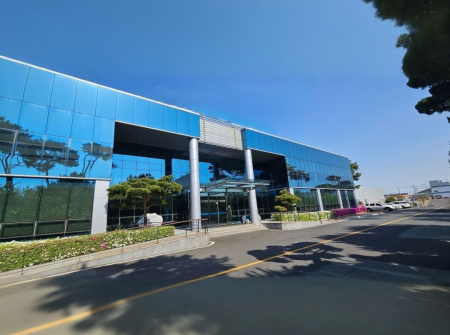
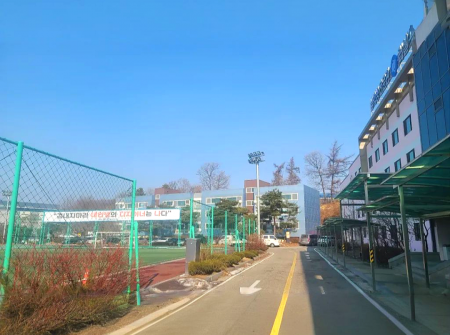
Across around 100 sites
NEW ENERGY has cut heating, hot water
and drying energy by more than half
See all cases
News Room
Latest news

FAQ
Frequently asked questions
The questions we hear most during evaluation. For anything else call +82-51-791-1129.
How much can ion heating reduce heating costs?
Between 30% and 70% depending on site conditions. A Busan public institution went from KRW 200,000 to KRW 20,000 a month; Dongbusan Hot Spring Hotel from KRW 30 million to KRW 5 million. A Namhae resort with a 500 t pool saved over 40%, and a Gochang eel farm 70% against Bunker C oil.
What does installation cost and how long does it take?
Product plus installation is around KRW 2 million for a small site and about KRW 40 million for a hotel-scale site. Existing water and air handling piping is reused, so no outdoor unit, refrigerant, gas piping or flue work is required and a typical site is completed in one to three days. As of 2026 the KEPCO-ES partnership also allows zero upfront cost.
How does it differ from a gas boiler or heat pump?
The heating principle differs. Gas boilers burn fuel (80% efficient), electric boilers use metal resistance (90%) and heat pumps move low-grade heat (65%), whereas ion heating makes the water produce heat directly by molecular friction at 99.9% efficiency. In KCL testing it used 28.1% less electricity than a heat pump and heated roughly twice as fast as an equivalent electric boiler.
Which facilities can use it?
Building heating for hotels, dormitories, hospitals and universities; hot water for saunas, bathhouses and water parks; industrial plants for drying, food production and metal surface treatment; plus residential heating, swimming pools and agricultural and fishery facilities. Parallel installation removes capacity limits.
Can the carbon reduction be certified?
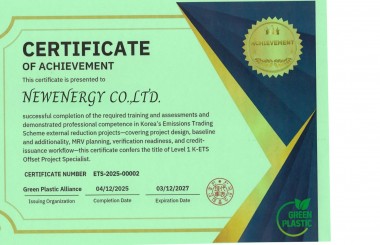
Yes. The 102 units sold in 2023 cut 2,304.6 tonnes of CO₂eq versus gas boilers, equivalent to roughly 104,000 trees. An IMPACT SQUARE ESG report measured a 43% reduction against an average gas boiler. NEW ENERGY holds greenhouse gas reduction expert certification and supports target design, performance management and emissions trading linkage.
Can you visit the same day?
Same-day visits are possible in Busan and Gyeongnam subject to scheduling; elsewhere we normally visit within two to three days. Call +82-51-791-1129 with your current equipment, monthly energy cost and heated area and we will send an approximate savings simulation first. Consultation and simulation are free.
Partners